

Greetings to all of our Partners
As we move further into the 2026 growing season, we want to thank our customers, growers, suppliers, and industry partners for their continued trust and partnership.
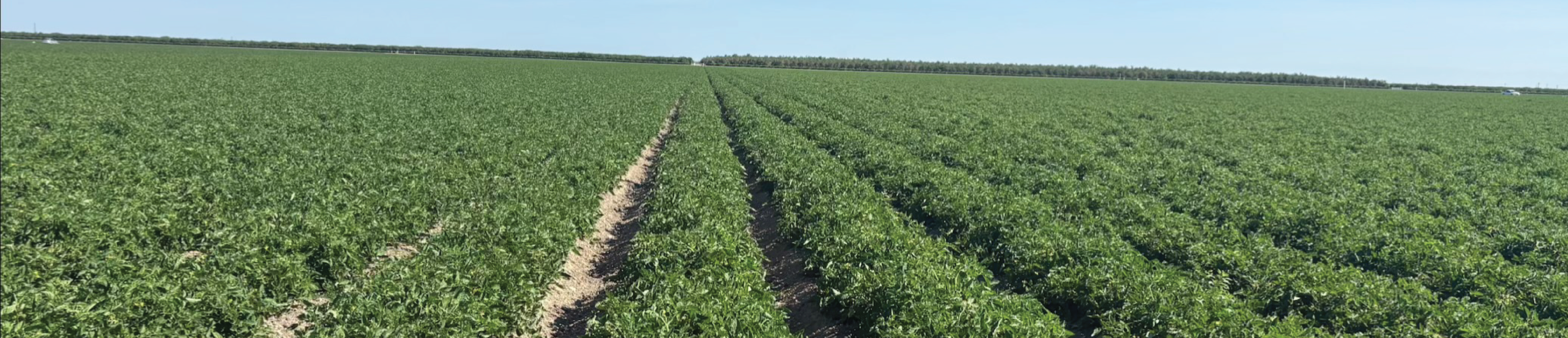
We’re pleased to report that California tomato planting is now complete, with field conditions remaining favorable across our growing regions. Warm temperatures and stable weather patterns have supported strong early crop development, with harvest currently projected to begin around the second week of July for both Toma-Tek and San Benito Foods.
Across both California and the Pacific Northwest, our teams are preparing for another busy pack season focused on quality, consistency, and reliable supply.
California Tomatoes
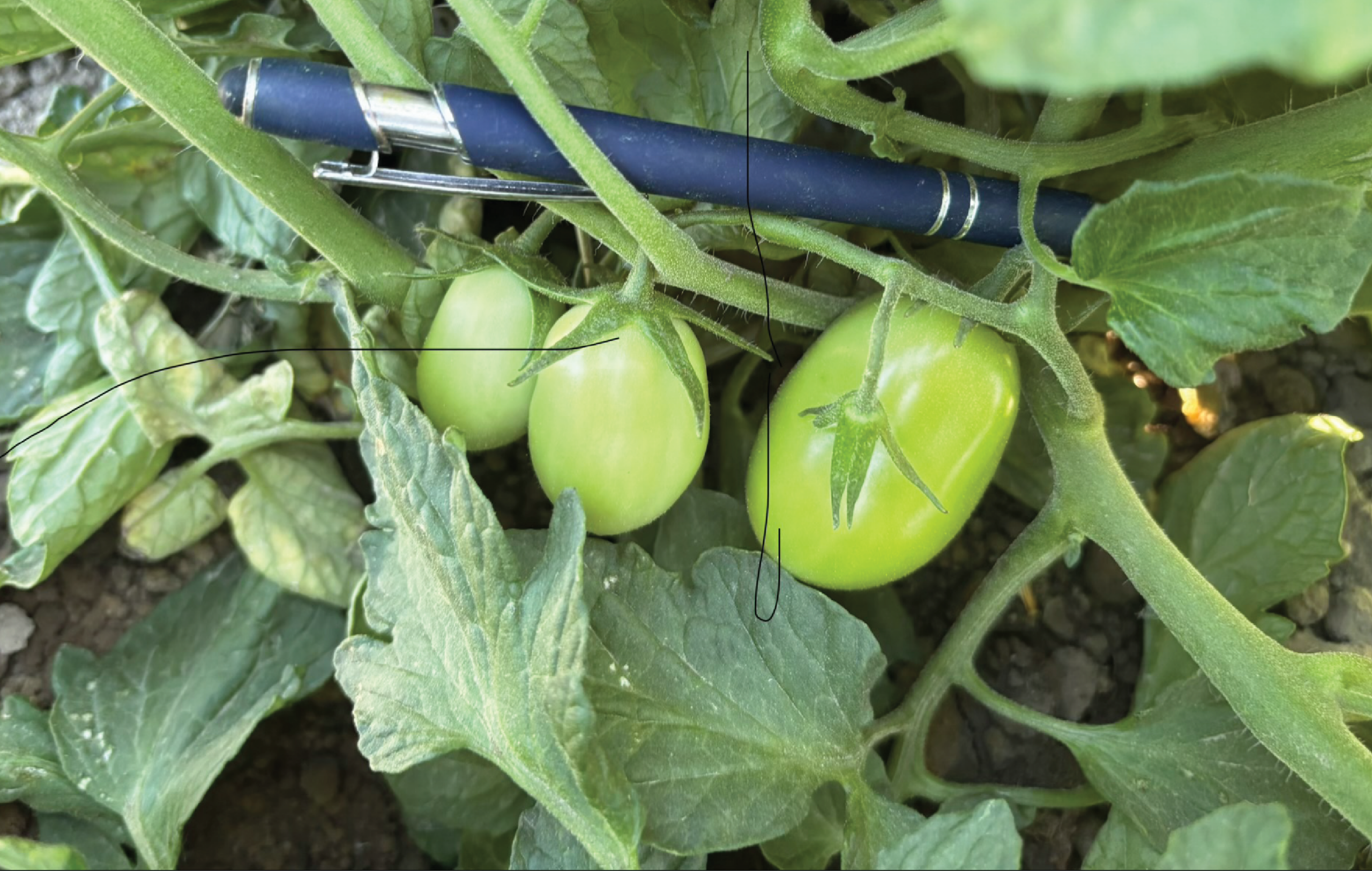
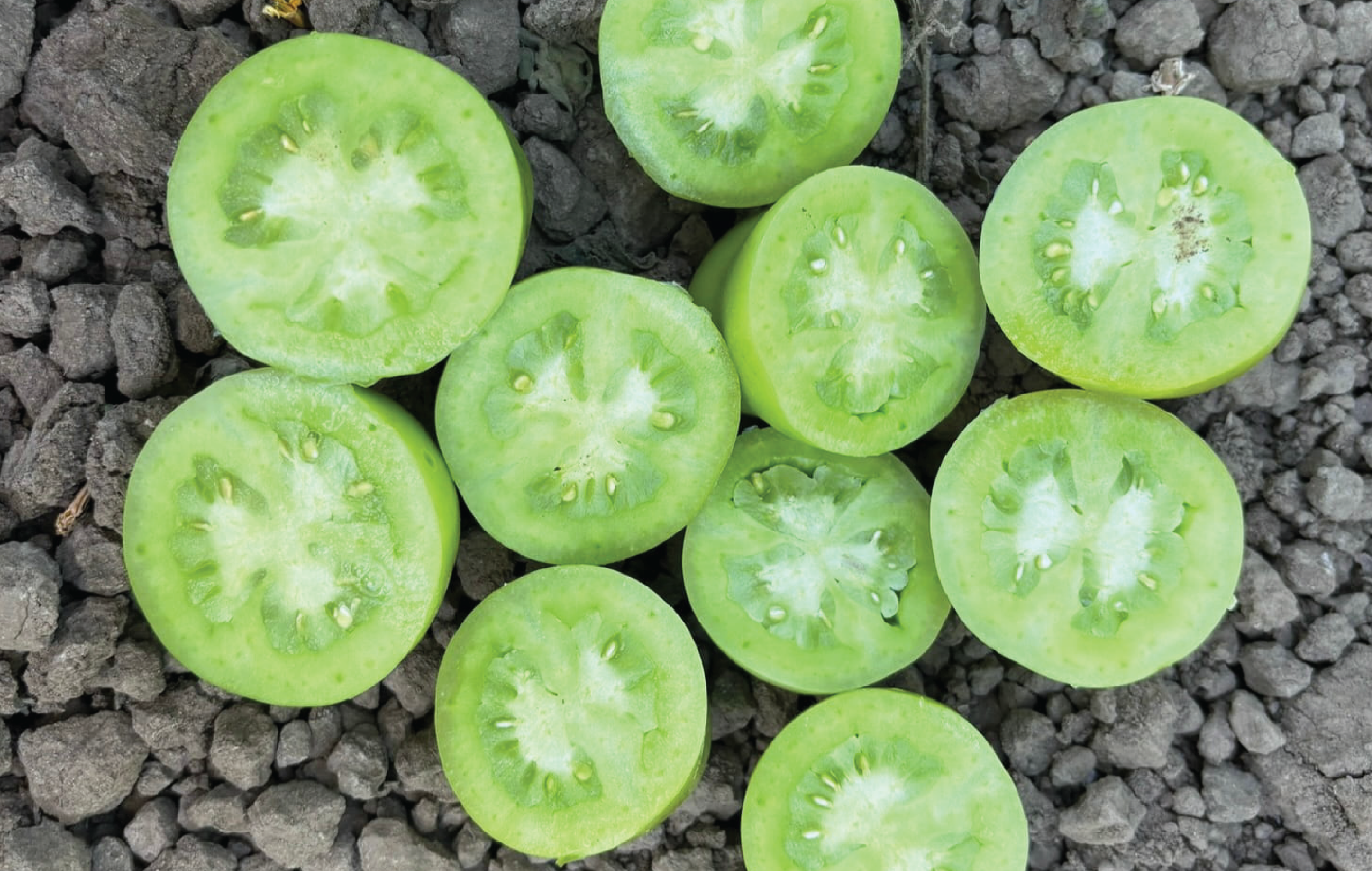
Weather conditions across California’s processing tomato regions have remained favorable, supporting healthy crop development across the Central Valley. Current forecasts continue to show warm temperatures, stable weather patterns, and no significant rain events — ideal growing conditions as the crop continues to progress.
The California Tomato Growers Association (CTGA) and processors have finalized 2026 pricing agreements for both conventional and organic tomatoes.
Tomato Pricing
- Conventional tomatoes: $104.50 per ton
- Organic tomatoes: $131.50 per ton
Water Conditions
Water conditions across California continue to be monitored closely as the season develops. Recent Central Valley Project (CVP) allocation updates increased south-of-Delta irrigation allocations from 20% to 25%, while broader industry discussions remain focused on snowpack variability, reservoir management, and long-term water reliability.
At this stage, overall field conditions across key growing regions continue to trend positively heading into the summer months.
Pacific Northwest Fruit
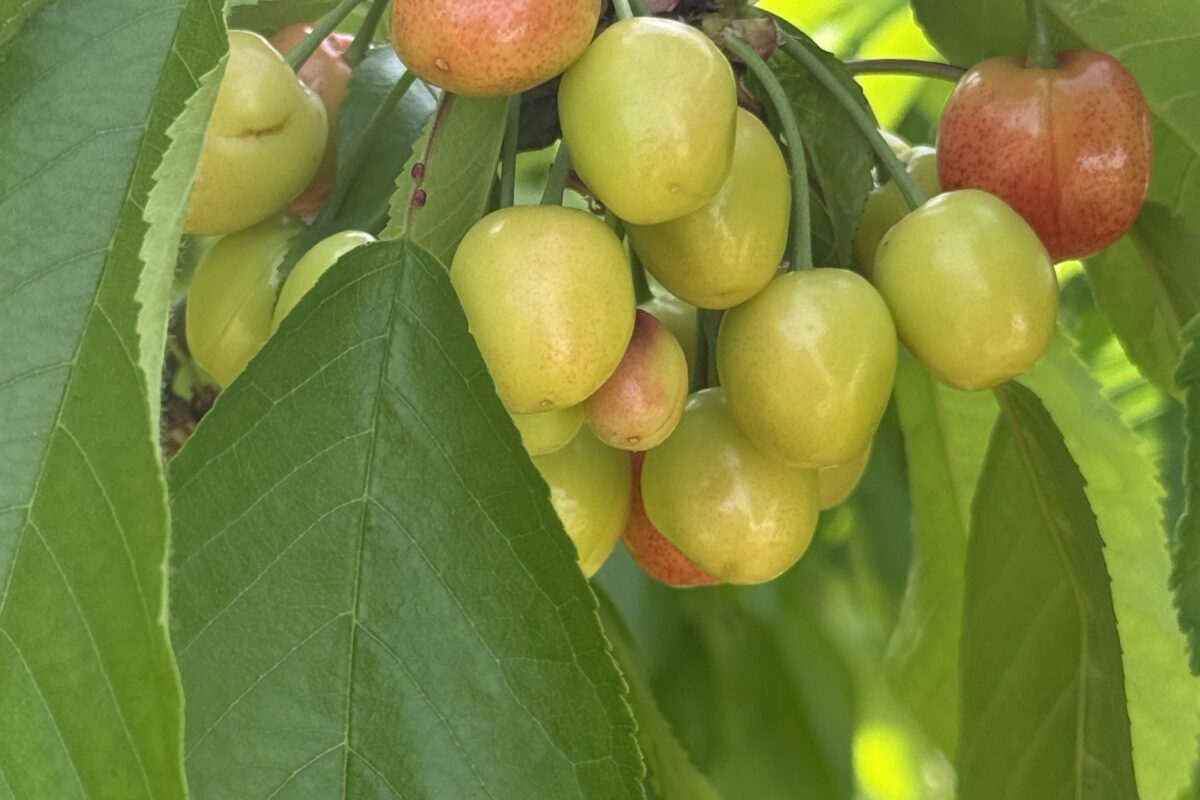
Overall, the 2026 growing season across the Pacific Northwest is off to a promising start. Several crops are running ahead of schedule, and quality looks strong in most categories. There are a few areas to keep an eye on; mainly around supply levels and rising transportation costs, but nothing that signals a troubled season. Here’s a crop-by-crop look at where things stand today and what to expect in the months ahead.
Cherries
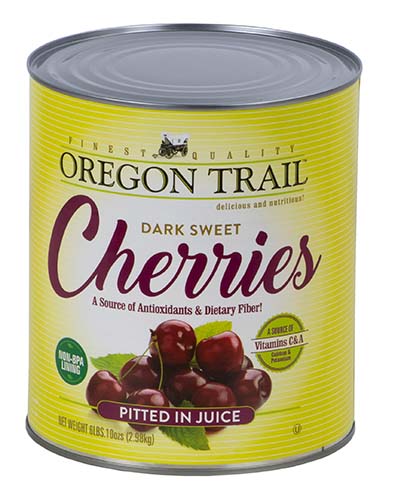
Cherries are the one category this season that requires candid discussion. A series of frost events during bloom has meaningfully reduced the Northwest cherry crop. Estimates that opened at 19.5–21.5 million boxes have been revised down to approximately 16–18 million boxes — a reduction of more than 30% compared to last year. In years like this, it’s also common for the final number to come in at the lower end of the revised range.
The market will be competitive. Fruit that would typically go to canneries may be redirected to the fresh market, tightening processed cherry supply further. California is facing its own challenges — the crop there is running two weeks early but is also down in volume, and rain-related quality issues have hurt pack-out rates. That puts more pressure on Northwest fruit to fill gaps across the broader market.
Pears
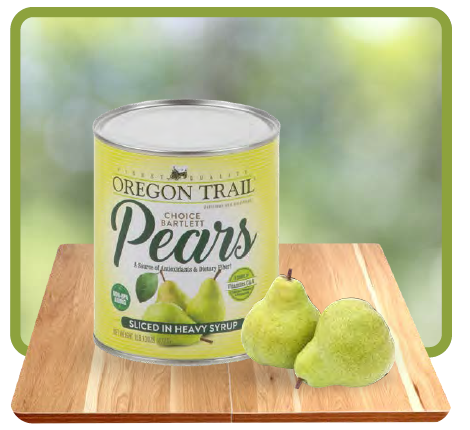
Bloom across all Northwest pear-growing regions came in at average levels this season. Many growers have pruned more aggressively than usual to encourage larger fruit, and some will chemically thin their crop to manage load and promote size. Northwest harvest is projected to begin around August 1st.
n California, supply has been disrupted by the closure of Del Monte’s packing operations, which has removed an estimated 500–700 acres from production. Approximately 700 acres have also come out of production in the Northwest. These reductions are worth monitoring but are not expected to cause significant shortages.
Pear juice volumes for 2026 are still too early to project with precision, but with average blooms across growing regions, availability is expected to return closer to normal levels.
Plums
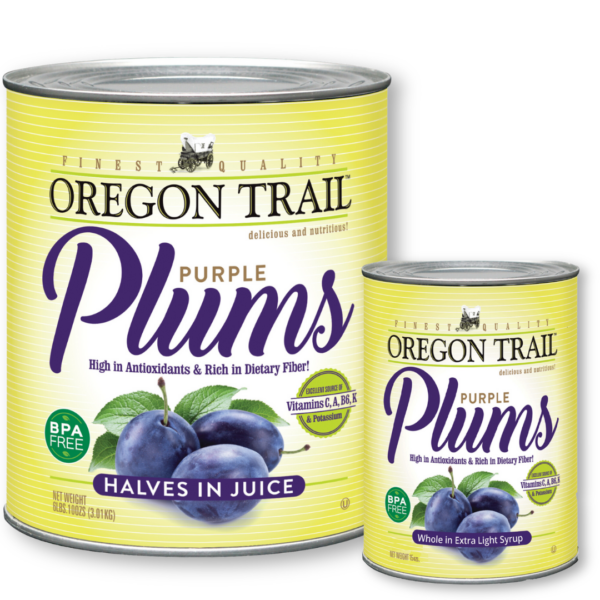
The Willamette Valley is reporting a solid bloom and fruit set, with harvest expected one to two weeks ahead of the usual pace — likely around September 1st or slightly before. Commercial plum acreage in the region has shrunk considerably over the years, and today only a small number of growers remain active locally. If you are in need of more please reach out.
Cranberry
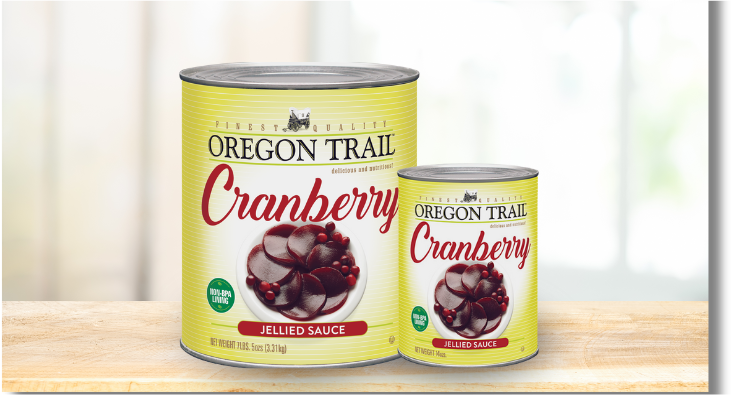
Early bloom activity has been observed in Bandon, Oregon, ahead of the typical schedule, driven by warmer weather and hybrid varieties. Last year’s cranberry crop came in below average, which could support improved yields this season. However, crop development remains in the early stages, and it is still too soon to make firm projections on 2026 volumes.
Pacific Northwest Berries

Blueberries
Washington had very good blueberry harvests in both 2024 and 2025, with production exceeding 200 million pounds each year. Winter flooding this year damaged approximately 900 acres that will not produce, which initially lowered estimates to around 182.5 million pounds. However, strong pollination conditions have improved projections, with current estimates now closer to 190 million pounds for Washington production. Oregon and British Columbia are also reporting favorable conditions.
The season is beginning with limited processed blueberry inventories available, which is expected to support firm early pricing. Juice-grade pricing will largely depend on harvest conditions as the season progresses.
Raspberries
Washington harvested approximately 68 million pounds of raspberries in 2025, up 23% from 2024. Early estimates for 2026 are slightly lower, but nothing currently raises concern. Harvest is expected to begin slightly ahead of schedule this season, and overall conditions remain stable at this time.
Blackberries & Marionberries
Oregon remains the leading U.S. producer of blackberries and Marionberries. Harvest conditions have generally been good, but prices continue to remain low due to elevated juice-grade inventories.
Some suppliers are reportedly still carrying close to a year’s worth of frozen juice-grade inventory, and some smaller growers chose not to harvest portions of last year’s crop because they did not have a home for their fruit. Current expectations are for good quality fruit in 2026, with harvest trending slightly ahead of schedule.
Apples
The industry broadly expects a smaller apple crop in 2026, though specific volume figures aren’t yet available. Demand for juice apples is strong, with raw product pricing already at $140 per ton and above. More detail will follow as harvest estimates take shape over the coming months.
Strawberries
Pacific Northwest strawberry production in Washington and Oregon continues to remain very limited, with much of the market now supplied by California and Mexico.
California’s 2026 strawberry harvest started approximately one month early and has progressed well overall. Acreage continues to expand, and production remains steady. While California strawberries generally do not carry the same Northwest flavor profile or Brix levels, they are increasingly becoming the primary supply source for many processors and customers.
Demand and production have remained relatively balanced, with moderate pricing volatility tied mainly to periodic rain events.
Costs
Packaging / Fiber / Labels / Tinplate
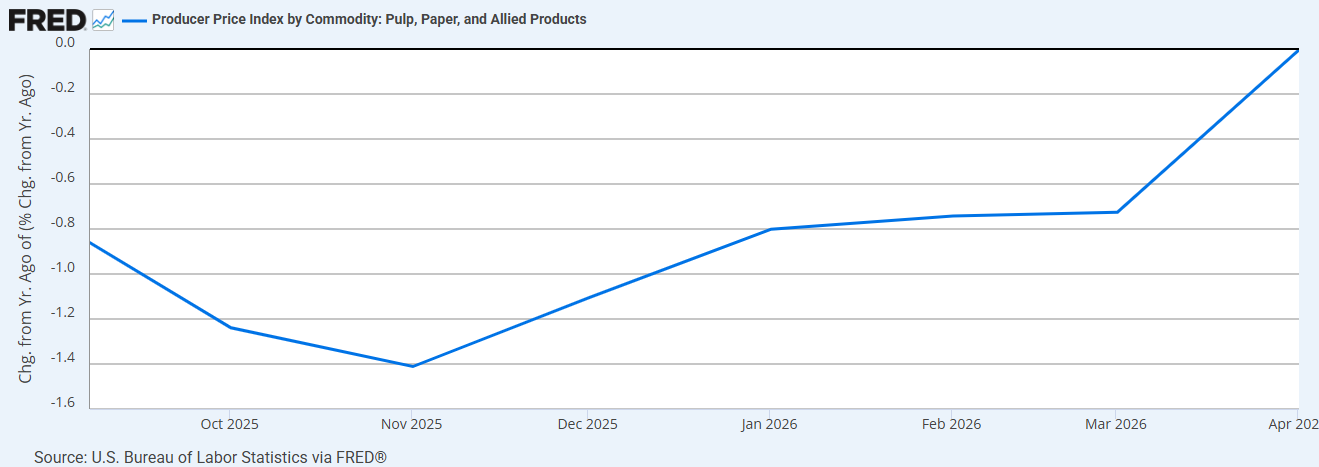
We continue to see increases from the pulp industry. Corrugators have passed on increases 10% to 15% alone for linerboard and corrugate. Late April, PPW (Pulp & Paper Weekly) announced a $30/ton increase with a NET increase to $70/ton from LY. Primary cost drivers are due to removed capacity, facility closures, and rising manufacturing costs.
Label costs have increased around 20% to 25% in the last three years as smaller printers are purchased by larger ones, limiting printing options.
Metal Food Cans
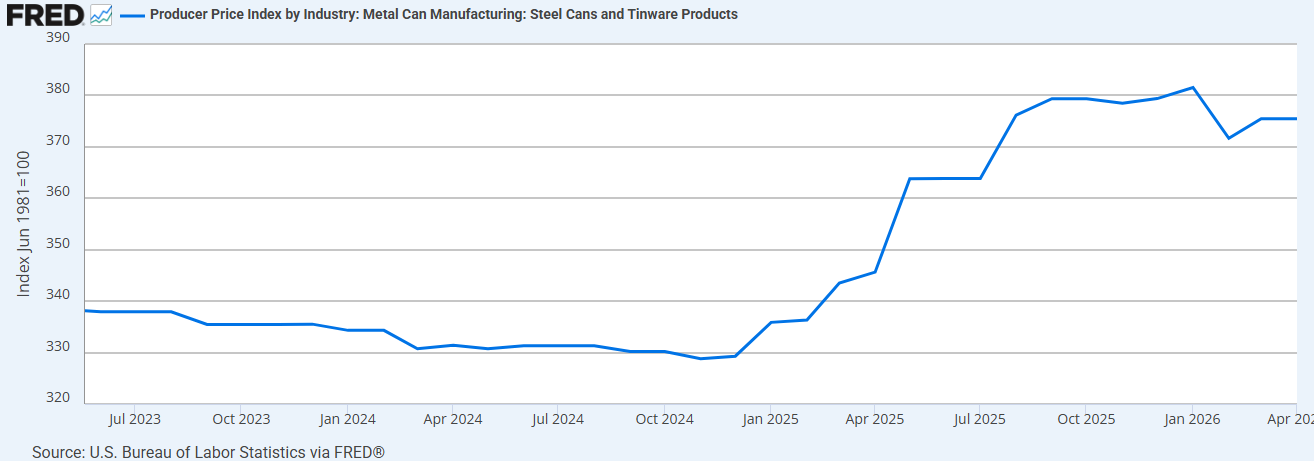
We continue to monitor tariff activities on incoming tinplate/cans but overall prices continue to rise. As you may recall, the US currently has only enough capacity and materials to produce around 30% of the current total food-can needs with only two domestic manufacturers of tinplate steel. Given steel prices and continued increased tariff pressure, the market has seen a 20-25 percent increase since Q1 of 2024. Tariff activity and current shipping challenges, coupled with current world events also continue to increase our costs.
Ingredients: Sweeteners, Olive Oil and Spices
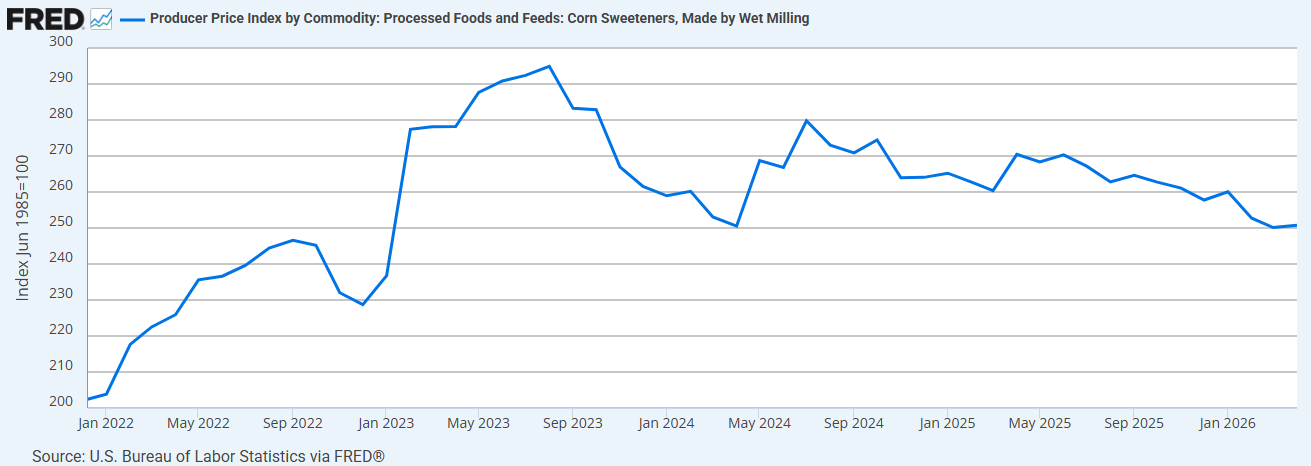
We’ve seen some reduction in corn sweeteners in the last several months, but still up over 40% in the last 5 years. Demand has remained strong for non-traditional uses tied to the petro-chemical industrial and other non-food related segments along with milling costs offsetting the lows in the corn markets.

Utilities
Utilities and new wage legislation continue to place upward pressure on production costs across the industry.
In the Pacific Northwest, energy remains an area of ongoing cost pressure. Proposed natural gas rate increases and continued electrical utility adjustments are expected to impact manufacturers across the region over the next several years. (Source)
Electrical rates in particular have continued to rise in response to broader infrastructure and regional power demand growth throughout the Northwest. (Source)
Labor
Washington State’s required minimum wage continues to escalate. In 2026, an increase of 2.8% to $16.66, up 18.2% since 2022 and continues to drive WA processors’ costs higher.
We are now in year two of a three-year negotiated labor agreement with our local union. This provides greater continuity and predictability across a significant portion of the labor required for our pear and Northwest fruit operations. As a seasonal business that relies heavily on seasonal labor, maintaining a skilled and dependable workforce remains critical to operational success and reflects our long-term commitment to both our employees and the industry.
Thanks again and wishing you a healthy and profitable 26/27 season. As always, we are grateful for your partnership!